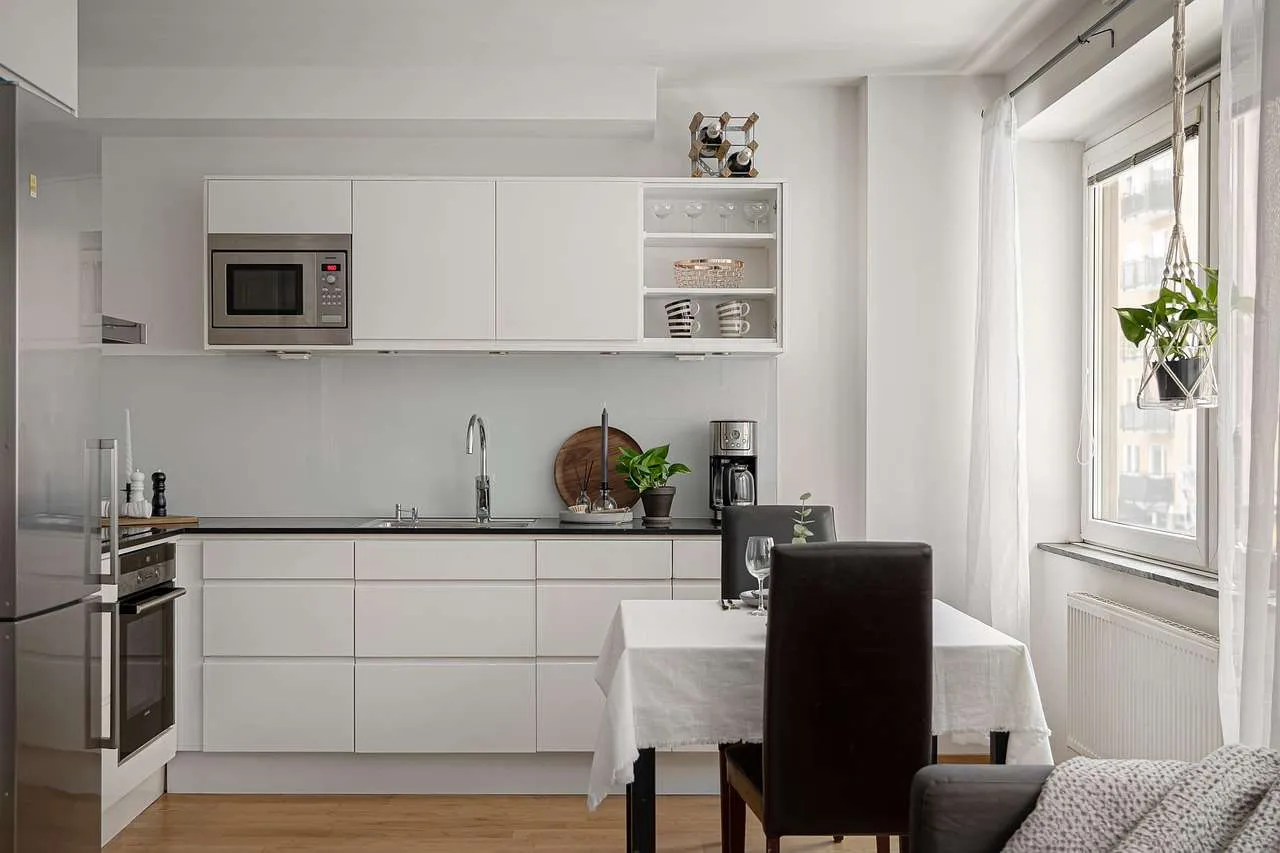
Home window tinting is a practical upgrade for residential properties. It helps manage heat, reduce glare, protect interiors from sun damage, and increase privacy. This article explains what home window tinting is, the main benefits, the different film types, how to choose the right tint, installation options, costs, and maintenance. It is written with an emphasis on expertise, authoritativeness, and trustworthiness to help homeowners make an informed decision.
What is Home Window Tinting?
Home window tinting refers to applying a thin film to the interior surface of glass windows. The film, or window film, can be dyed, metalized, ceramic, or carbon-based, and it works by blocking certain wavelengths of light, reflecting heat, or absorbing solar energy. Unlike automotive tint, residential films are designed for large panes, compatibility with low-emissivity (low-E) coatings, and preserve natural light while reducing heat.
Benefits of Home Window Tinting
Heat reduction and energy efficiency
Quality window film reduces solar heat gain, meaning your cooling system runs less often. This lowers energy bills and improves comfort in rooms that face sun exposure.
UV protection and interior preservation
Most films block 99%+ of harmful UV rays, protecting furnishings, flooring, artwork, and occupant skin from fading and damage.
Glare reduction and comfort
Reduced glare improves viewing experiences on screens and reduces eye strain, especially in rooms with large south or west-facing windows.
Privacy and aesthetics
Tinted or reflective films provide daytime privacy without sacrificing natural light. Films come in multiple shades to match architectural style.
Safety and security
In the event of breakage, some films hold shards in place, reducing the risk of injury and delaying entry. Higher-end ceramics offer robust protection.
Types of Window Tint
Dyed window film
Dyed films are the most budget-friendly. They provide decent color and fade resistance but can be less durable over time and may show color shifts under intense sun.
Metalized film
Metalized films reflect heat effectively and offer strong glare control. They can be more prone to reflecting signals and may interfere with electronics in some cases, so professional installation is recommended.
Ceramic film
Ceramic films are high-performance, non-conductive, and offer excellent heat rejection with minimal color change. They are more expensive but ideal for homes with electronics and large glass installations.
Carbon film
Carbon films provide a matte finish that reduces glare and resists fading. They deliver good heat rejection at a moderate price point and do not interfere with electronics.
Low-E specialty coatings
Some homes benefit from low-E window film that complements existing glass coatings, improving energy performance while preserving visibility.
Choosing the Right Tint for Your Home
Consider visible light transmission (VLT), infrared (IR) rejection, UV protection, and the desired level of privacy. Higher VLT lets in more light but offers less shade; lower VLT provides more privacy and heat control. Legal limits on tint darkness vary by jurisdiction, so check local codes before purchasing.
Installation Options: DIY vs Professional
DIY tinting is possible for small projects, but residential film requires precise cleaning, alignment, and curing. A professional installer ensures proper adhesive application, edge sealing, and warranty coverage. Typical timelines range from a few hours to a full day, depending on window sizes and the number of panes.
Costs and Return on Investment
Prices vary by film type and window size. Dyed films start lower, while ceramic and carbon options are more expensive but offer higher energy savings. When evaluating ROI, consider energy bills, furniture protection, reduced glare, and potential increases in home comfort and property value. Professional installation costs are a worthwhile consideration for warranty and long-term performance.
Comparison of Tint Types
| Tint Type | Key Benefit | Drawbacks | Typical VLT | UV Rejection |
|---|---|---|---|---|
| Dyed | Budget-friendly color and moderate light control | Fades with time, less durable | 35–60% | UV 99%+ |
| Metalized | Excellent heat rejection, strong glare control | May reflect signals; possible electronics interference | 25–60% | UV 99%+ |
| Ceramic | Best heat rejection, non-conductive, preserves electronics | Higher cost | 25–65% | UV 99%+ |
| Carbon | Matte finish, good heat control | Moderate price | 35–60% | UV 99%+ |
| Low-E | Excellent energy performance | Specialized applications | 20–60% | UV 99%+ |
Maintenance, Warranty, and Compliance
Keep the film clean with non-ammonia cleaners and soft cloths to avoid deterioration. Avoid abrasive tools that could scratch the surface. If you rent a home or work with a property management company, ensure you have written consent and warranty transfer. Always comply with local tint laws and building codes to maintain eligibility for insurance and manufacturer guarantees.
Conclusion, Home window tinting is a practical upgrade that blends comfort, energy efficiency, and protection. By selecting the right film type, aligning with local regulations, and choosing a licensed installer, homeowners can maximize ROI while preserving the home's appearance and value.